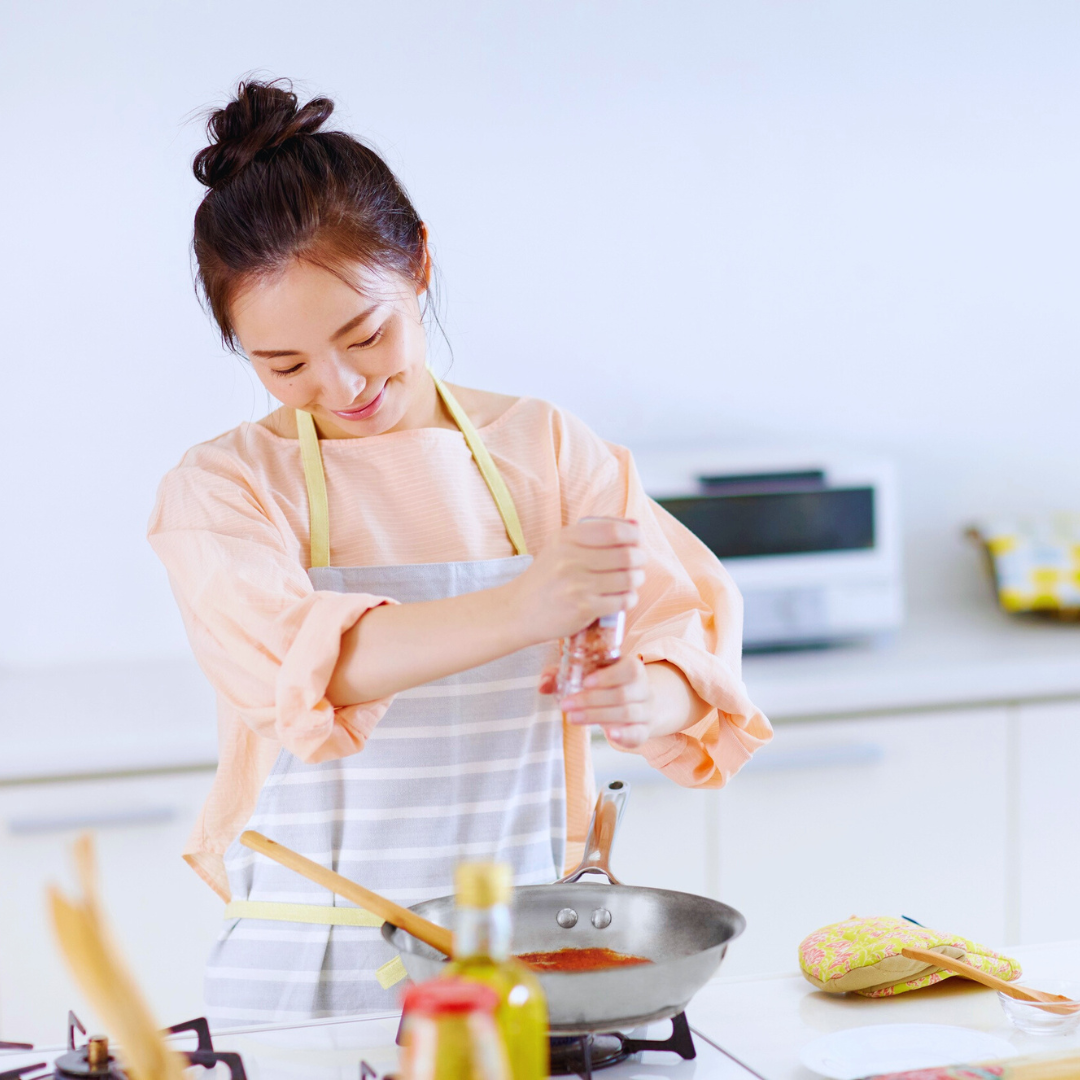
Cooking for beginners can feel overwhelming without the right tools and ingredients. A basic kitchen setup includes essential cookware, knives, and staple ingredients that enable someone to prepare a variety of simple meals. These items form the foundation for building cooking skills effectively.
Understanding what every kitchen needs helps avoid unnecessary purchases and focuses on practical items that provide real value. This approach ensures beginners feel confident and prepared rather than frustrated by missing equipment.
Equipped with the right essentials, anyone can start exploring cooking with ease. The right tools make the process straightforward and more enjoyable, encouraging consistent practice.
Core Kitchen Essentials for Beginners
A well-equipped kitchen starts with fundamental tools that make cooking efficient and enjoyable. These include versatile cookware, sharp knives tailored for different tasks, and essential utensils that simplify food preparation.
Cookware Fundamentals
Every beginner needs a selection of quality cookware to cover a variety of cooking methods. A saucepan with a lid is vital for boiling, simmering, and making sauces. A stockpot is necessary for soups, stews, and boiling pasta.
A nonstick skillet allows for easy frying with minimal oil, while a cast-iron skillet offers excellent heat retention and is perfect for searing meat or roasting vegetables. Stainless steel pans combine durability and even heat distribution, essential for browning or sautéing.
Choosing cookware in different sizes ensures flexibility. Prioritise pieces with sturdy handles and compatibility with the stove being used. Proper maintenance, especially for cast iron, extends lifespan and performance.
Essential Knives and Cutting Boards
A beginner’s knife set should include a chef’s knife, a paring knife, and a serrated knife. The chef’s knife is a multipurpose tool ideal for chopping vegetables and slicing meat. A paring knife handles delicate tasks like peeling and trimming. The serrated knife excels at cutting bread or soft fruits without crushing them.
Investing in quality knives with comfortable grips improves safety and precision. Regular sharpening maintains cutting efficiency.
For cutting surfaces, multiple cutting boards are useful to prevent cross-contamination. Using separate boards for raw meat and vegetables ensures hygiene. Materials such as plastic or wood offer different benefits; plastic is easier to sterilise, while wooden boards are gentle on knives.
Utensils Every Beginner Should Own
A basic set of cooking utensils includes a spatula, a wooden spoon, a ladle, tongs, and a whisk. A spatula, preferably heat-resistant, helps in flipping and spreading. Wooden spoons avoid scratching nonstick surfaces and are good for stirring thick mixtures.
Tongs are essential for turning food in pans and serving salads. A ladle simplifies portioning soups or stews. Whisks are necessary for beating eggs and mixing sauces smoothly.
Selecting utensils made from silicone, stainless steel, or wood enhances durability and usability. Keeping these tools organised and accessible saves time during meal preparation.
Useful Kitchen Tools and Gadgets
A well-equipped kitchen balances precision tools with time-saving gadgets. This combination helps beginners handle recipes accurately while streamlining routine tasks.
Measuring and Preparation Tools
Accurate measurement is vital in cooking and baking. Essential items include measuring cups, measuring spoons, and a reliable kitchen scale. Measuring cups and spoons usually come in sets marked with common volumes for liquids and dry ingredients, ensuring consistent results.
Whisks and wooden spoons assist in mixing and stirring. A silicone spatula is versatile for scraping bowls and folding mixtures without damaging surfaces. Mixing bowls in various sizes provide space for combining ingredients efficiently.
Additional tools like a peeler or vegetable peeler, a colander for washing and draining, and a can opener round out basic preparation needs.
Must-Have Gadgets for Convenience
Certain kitchen gadgets save time and effort in everyday cooking. Tools like tongs help handle hot or slippery foods safely, while a ladle allows easy portioning of soups and sauces.
A good grater or microplane enables fine shredding of cheese, zest, or vegetables. Baking essentials include a sturdy baking sheet and baking dish, which provide reliable surfaces for roasting and baking.
Choosing durable, easy-to-clean gadgets is important for maintaining efficiency and ease of use in a beginner’s kitchen.
Pantry Staples and Seasonings
A well-stocked kitchen includes a variety of dry goods, oils, and a measured spice collection. These ingredients form the base of most simple meals and allow flexibility when trying new recipes.
Must-Have Dry Goods
Staple dry goods provide essential carbohydrates and bulk for meals. Rice, pasta, and grains like quinoa or barley offer versatile options for diverse dishes.
Flour and sugar are essential for baking and thickening sauces. Basic canned goods like beans add protein and fibre, making meals more nutritious and filling.
A small supply of long-lasting items like lentils or oats can support quick, wholesome meals. Keeping dry goods organised helps maintain freshness and reduces waste.
Essential Oils and Condiments
Olive oil is the primary cooking and finishing oil for many recipes due to its balanced flavour and health benefits. Additional oils, such as vegetable or sunflower oil, are useful for high-heat cooking.
Vinegar varieties—white, apple cider, and balsamic—add acidity and depth, especially in dressings and sauces. Mustard, soy sauce, and Worcestershire sauce enhance flavour quickly without much effort.
Storing these oils and condiments in a cool, dark place preserves their quality. He or she should avoid buying excessively large bottles that may degrade before use.
Building a Spice Collection
A small, purposeful spice rack is better than overwhelming choices. Salt is fundamental, serving as the baseline seasoning for nearly every dish.
Garlic powder, paprika, cumin, and turmeric cover a wide range of cuisines and are easy to add to meats, vegetables, and stews. These spices also store well when kept away from heat and light.
He or she should prioritise freshness by replenishing spices every 12-18 months. Experimenting with these staples allows confident flavour development without complex techniques.
Organisation, Cleaning, and Kitchen Maintenance
A well-organised kitchen supports efficient cooking and reduces food waste. Proper cleaning and regular upkeep keep the space safe and hygienic, ensuring utensils and surfaces remain in good condition.
Food Storage Solutions
Using clear, airtight storage containers helps maintain freshness and prevents cross-contamination. Containers made of glass or BPA-free plastic are durable and suitable for both dry and perishable goods.
Labels with dates should be placed on containers to track expiry, minimising spoilage. Utilise stackable containers to save space in cupboards and the fridge.
Separate raw and cooked food when storing to avoid bacterial transfer. Keeping an organised fridge by grouping items—meat, dairy, vegetables—improves visibility and accessibility.
Keeping Your Kitchen Clean
Regular cleaning with appropriate dish soap and sponges ensures surfaces stay hygienic. It is important to wash sponges frequently or replace them to avoid bacterial build-up.
Wiping down counters immediately after cooking prevents stain formation and pest attraction. Using separate cloths for dishes and surfaces helps control cross-contamination.
Cleaning kitchen appliances, including the hob and oven, prevents grease build-up. Scheduling routine deep cleans for sinks and drains helps maintain proper kitchen function.