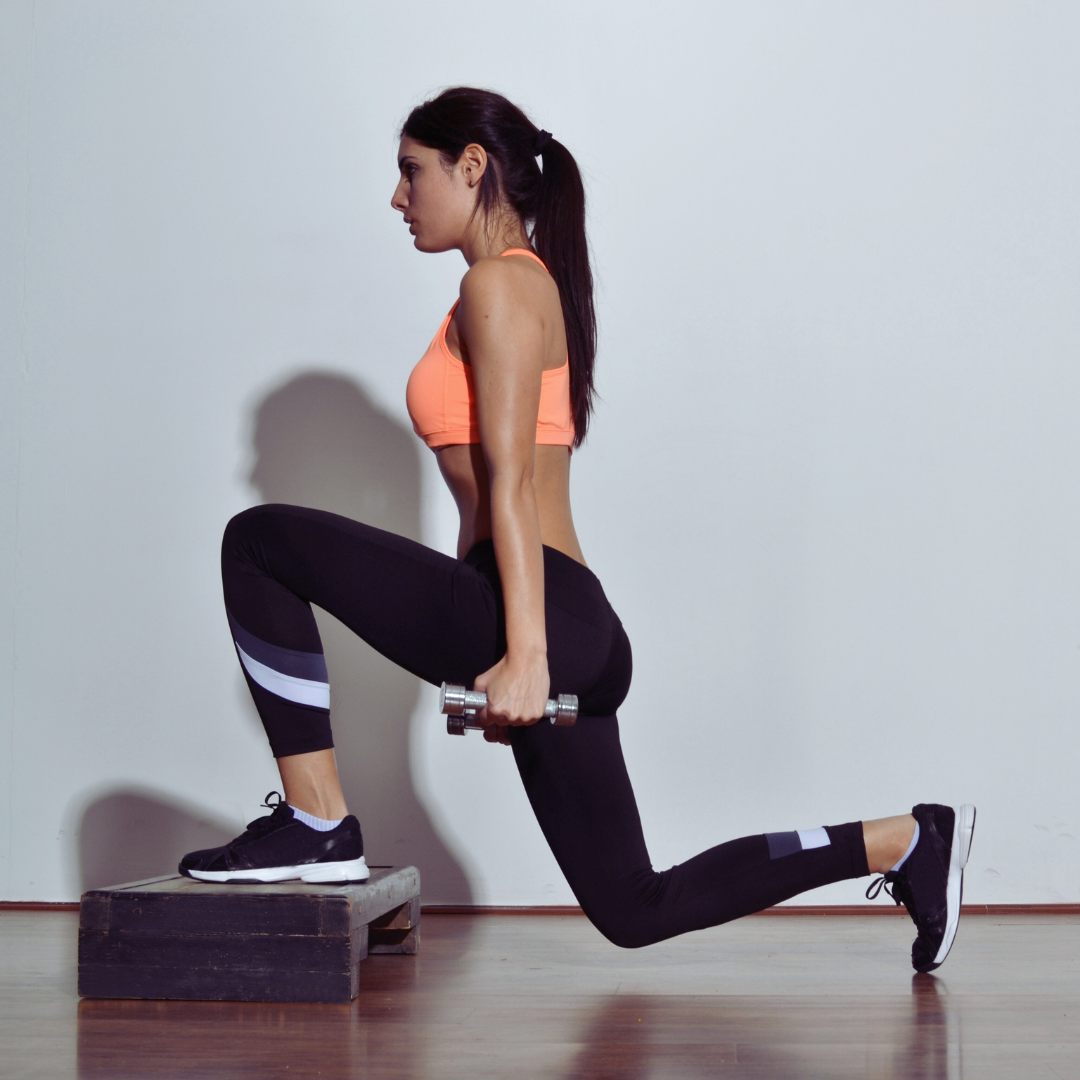
Balancing sports with a busy lifestyle requires careful planning and prioritisation. Many people struggle to fit exercise into full schedules, but it is possible to maintain an active routine without sacrificing other responsibilities. The key is to integrate sports into daily habits through efficient time management and realistic goals.
Setting specific times for physical activity and choosing flexible workout options helps maintain consistency. Even short, focused sessions can provide significant benefits when time is limited. Learning to combine activities, such as cycling to work or lunchtime runs, can further optimise time use.
Understanding personal limits and adapting schedules to accommodate changing commitments also plays a crucial role. By committing to regular activity within a manageable framework, individuals can successfully balance sports with a demanding lifestyle.
Setting Fitness Priorities in a Busy Lifestyle
Balancing sport with a busy schedule requires clear decisions about what matters most in fitness. Priorities include setting achievable goals, maintaining a steady routine, and understanding what motivates sustained effort.
Defining Realistic Fitness Goals
Realistic fitness goals align with available time and energy, not idealised ambitions. For example, aiming for three 30-minute sessions per week rather than daily workouts fits better with a busy diary. Goals should focus on measurable outcomes, such as improving stamina or increasing strength by specific amounts.
Breaking larger targets into smaller, manageable tasks improves focus and reduces overwhelm. Tracking progress with simple tools like a journal or app helps maintain clarity and motivation. Setting achievable milestones recognises the reality of a hectic lifestyle without sacrificing fitness gains.
The Importance of Consistency Over Perfection
Consistency means showing up regularly, even if sessions are shorter or less intense. Progress over perfection promotes steady improvement rather than occasional peak performances followed by lapses. A busy lifestyle often demands flexibility, so missing a workout should not derail the entire routine.
Building habits around consistent activity creates lasting change. For example, exercising at the same time daily or after specific events can embed fitness into a packed schedule. Gradual, regular effort accumulates better results than sporadic, intense sessions.
Identifying Key Motivators
Understanding personal motivation behind fitness efforts guides sustainable practice. Motivators may include stress relief, social interaction, health maintenance, or skill development. When a busy professional recognises why sport matters to them, they prioritise it more effectively.
Motivation fluctuates, so revisiting and adjusting reasons helps maintain commitment. Visual reminders or support from peers can reinforce these drivers. Knowing what consistently inspires action reduces the risk of abandoning fitness when life gets demanding.
Maximising Time with Efficient Workout Strategies
Efficient workouts focus on maximising effort within a limited time. Using targeted methods can work multiple muscle groups simultaneously, reduce downtime, and fit training into short periods without losing effectiveness.
High-Intensity Interval Training for Quick Results
High-Intensity Interval Training (HIIT) alternates short bursts of intense activity with brief rest. It boosts cardiovascular fitness and burns calories quickly. Sessions typically last 15-30 minutes, making them ideal for busy schedules.
Exercises like sprinting, jumping jacks, or burpees can be incorporated. The key is maintaining maximum effort during high-intensity intervals to push heart rate up. Proper warm-up and cool-down are essential to prevent injury.
HIIT trains both aerobic and anaerobic systems, improving endurance and strength. It can be adapted for all fitness levels by adjusting interval duration and intensity.
Compound Exercises for Multiple Muscle Groups
Compound exercises engage several muscle groups at once, making workouts time-efficient. Movements such as deadlifts, squats, and push-ups work large areas of the body in one effort.
This approach increases workout density, reducing the total number of exercises needed. It also mimics real-life movements, enhancing functional strength. For example, squats target quads, hamstrings, glutes, and core simultaneously.
Incorporating compound lifts like deadlifts strengthens the posterior chain while improving posture. Combining these with push-ups develops upper-body strength and stabiliser muscles.
Bodyweight Workouts at Home
Bodyweight exercises require no equipment, enabling workouts anywhere. Push-ups, planks, squats, and lunges are effective for strength and endurance. They can be modified for all fitness levels.
These workouts save travel time to gyms and increase consistency. Circuits of 3-5 exercises performed for 30-60 seconds each provide a full-body routine. Adding variations like elevated push-ups increases difficulty.
Bodyweight training also enhances balance and flexibility. Regular practice supports injury prevention and functional movement.
Utilising Micro-Workouts and Short Sessions
Micro-workouts break exercise into brief sessions of 5-10 minutes scattered throughout the day. These small bursts accumulate significant activity when combined. They are useful during breaks or between tasks.
Short sessions reduce mental barriers associated with longer workouts. For example, doing sets of squats, planks, or push-ups every few hours maintains muscle engagement and metabolism.
Scheduling micro-workouts consistently improves habit formation. Tracking progress can motivate adherence despite a tight schedule. This method suits highly variable or unpredictable days.
Incorporating Physical Activity into Daily Routines
Small, intentional choices can increase physical activity without disrupting demanding schedules. Integrating movement into everyday tasks boosts energy and supports fitness goals efficiently.
Active Commuting and Walking Meetings
Choosing to walk or cycle for part of the commute adds consistent physical activity to busy days. Even a brisk 15-minute walk to the train station or workplace contributes to cardiovascular health and mental clarity.
Walking meetings replace sedentary discussions with light exercise, making use of time without cutting into work responsibilities. This method encourages creativity and focus while increasing daily step count. Planning routes with safe, accessible paths is essential to maintain regular participation.
Taking the Stairs and Staying Active at Work
Opting for stairs over elevators provides quick bursts of cardiovascular exercise and strengthens leg muscles. Regular stair climbing, even for a few flights throughout the day, counters prolonged sitting.
Work environments should encourage standing desks and short walks during breaks. Simple adaptations, like walking to a colleague’s desk instead of emailing, contribute to staying active. These practices reduce sedentary behaviour linked to health risks.
Habit Stacking and Movement Breaks
Habit stacking pairs physical activity with established routines, such as doing calf raises while brushing teeth or stretching after meetings. This technique embeds exercise seamlessly into daily life.
Taking brief movement breaks every hour prevents stiffness and boosts circulation. Setting timers or using apps can remind individuals to stand, stretch, or walk briefly, maintaining consistent physical activity without requiring extra time.
Supporting Fitness with Nutrition, Recovery, and Wellbeing
Balancing fitness with a busy lifestyle demands attention to nutrition, sleep, mental health, and smart use of technology. Focusing on these elements helps maintain energy, supports recovery, and encourages consistency in a fitness routine.
Meal Prep and Simplified Nutrition
Preparing meals in advance saves time and ensures balanced nutrition. Focusing on lean proteins, whole grains, and plenty of vegetables supports muscle repair and sustained energy levels for workouts.
Batch cooking allows portion control, which aids weight loss or maintenance by preventing overeating. Simple recipes with minimal ingredients reduce decision fatigue during busy weeks.
Hydration is also critical. Drinking water regularly before, during, and after exercise helps optimise performance and recovery.
Importance of Quality Sleep and Rest Days
Healthy sleep patterns contribute directly to fitness gains. Quality sleep improves muscle repair, hormone regulation, and mental clarity. The recommendation is 7-9 hours of uninterrupted sleep each night, especially on training days.
Rest days must be integrated into the schedule to avoid overtraining. Passive rest or active recovery—such as gentle stretching or walking—reduces injury risk and supports long-term progress.
Timing workouts with sleep and rest ensures the body has time to rebuild and rejuvenate.
Mental Health, Stress Management, and Meditation
Managing stress through meditation and mindfulness improves overall well-being and exercise adherence. Short, daily meditation sessions can reduce cortisol levels, which otherwise impair recovery and energy.
Mental health practices help maintain motivation and prevent burnout when balancing work, fitness, and personal life. Integrating breathing exercises and mental breaks during the day supports focus.
Regular mental health checks can identify challenges early and keep a fitness journey sustainable.
Leveraging Technology and Fitness Apps
Fitness apps are valuable tools for busy individuals to track progress, plan meals, and schedule workouts efficiently. Many apps offer customised workout plans and reminders to maintain consistency.
Nutrition tracking apps help monitor calorie intake and macronutrients, supporting weight loss or fitness goals. Sleep tracking features identify patterns and improve rest quality.
Using technology enables clearer insights into training effectiveness and highlights areas for change without extra guesswork.